

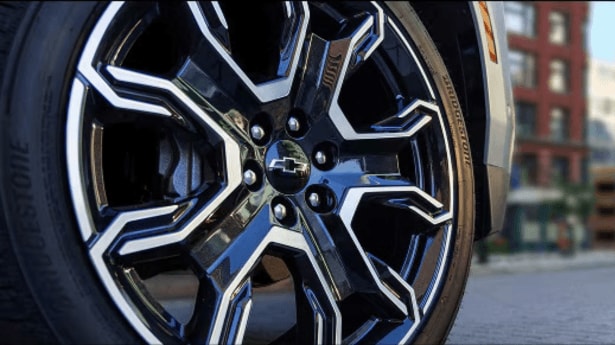
Late August is the optimal time to begin checking your vehicle tires for cold weather before early autumn temperature drops begin affecting rubber and air density. High summer temperatures accelerate rubber oxidation and hidden sidewall wear, while the coming transition into cooler autumn mornings causes internal tire pressure to decline. Catching pressure drops, uneven wear, or structural weakness in late summer ensures your vehicle remains safe and responsive before wet, slick fall roads arrive.
Inspecting tires in late summer helps prevent unexpected traction loss when autumn rain begins. During hot summer driving, pavement temperatures can exceed 100°F, placing extreme heat stress on tire sidewalls and tread blocks. As August turns to September, those same tires face rapid overnight cooling. Getting a jump on seasonal maintenance allows time to address minor pressure losses, schedule a tire rotation, or replace worn tread before severe autumn weather sets in.
For families navigating rural back roads and agricultural routes near Millersburg, reliable tire grip is critical when wet leaves and morning frost coat unpaved and hilly terrain. A quick visual check at home paired with a professional multi-point evaluation keeps your crossover, truck, or SUV performing as engineered. If you notice uneven tread or a persistent pressure warning, contacting the certified technicians at our Millersburg service center or giving our service team a call at (330) 667-0245 guarantees expert care tailored to your specific vehicle model.
How Cold Weather and Temperature Swings Drop Tire Inflation Pressure
Tire inflation pressure drops by approximately 1 psi for every 10°F decrease in ambient air temperature due to basic thermal physics. As outside air cools, the air molecules inside the tire contract and exert less outward force against the inner tire liner. A set of tires properly inflated to 35 psi during an 85°F August afternoon can drop to 31 psi or lower when crisp autumn mornings dip into the 45°F range, even without any puncture or valve leak.
This sudden drop in internal pressure frequently triggers the tire pressure monitoring system warning light on chilly autumn mornings. When overnight temperature swings contract the air volume inside the tire, the pressure drops below the vehicle manufacturer's threshold. Driving on underinflated tires increases rolling resistance, generates excessive internal heat, wears down the outer tread shoulders prematurely, and reduces fuel efficiency.
The best time to check tire pressure is early in the morning when the vehicle is cold, meaning it has been parked for at least three hours or driven less than one mile. Always set inflation levels to the specific cold inflation pressure printed on the driver-side door jamb placard, rather than the maximum pressure stamped on the tire sidewall.
Proper baseline inflation values vary by vehicle design and weight distribution:
- Crossovers like the Chevrolet Equinox gasoline models generally specify a cold recommended pressure of 35 psi front and rear.
- All-electric models like the Chevrolet Equinox EV require a higher baseline specification of 42 psi front and rear to support battery weight and low rolling resistance.
- Full-size three-row family vehicles like the Chevrolet Traverse require precise inflation matching to preserve handling balance when loaded with passengers and cargo.
Checking inflation levels monthly and adjusting them as ambient temperatures fall protects your tread investment. If you ever need a replacement valve cap or a brand-specific tire pressure sensor, ordering genuine replacement parts directly through our service department ensures precise compatibility with your vehicle's safety electronics.
Why Summer Performance Tires Struggle as Autumn Temperatures Drop
Summer performance tires must be removed before autumn temperatures drop because their specialized rubber compounds harden below 45°F, drastically reducing grip and increasing stopping distances. Unlike all-season tires engineered for broad thermal stability, summer performance tires use tread compounds formulated specifically for warm, dry, or warm-wet pavement. When ambient air falls into the 40s, the flexible polymers in summer rubber turn stiff and glassy.
Driving on summer tires in ambient temperatures below 45°F presents serious performance and safety hazards:
- Tread compounds lose mechanical flexibility, severely diminishing cornering grip and acceleration traction.
- Panic braking distances lengthen significantly, even on completely dry roads.
- Cold pavement causes stiff tread blocks to chip or develop permanent structural cracks across the compound face.
- Water evacuation channels become rigid, increasing the risk of hydroplaning during heavy autumn rainstorms.
All-season and all-weather tires utilize pliable silica compounds that remain flexible in cooler temperatures. For drivers operating vehicles equipped with factory summer performance rubber, transitioning to an approved all-season or winter-rated tire during late summer prevents tread damage and preserves essential safety systems like Automatic Emergency Braking.
How to Measure Tread Depth for Safe Fall Driving
Tread depth is measured using a dedicated tread depth gauge or simple coin tests, with replacement strongly recommended when tread wears down to 4/32 inch for safe fall driving. Although the federal legal minimum tread depth across the United States is 2/32 inch, relying on that minimum limit during rain-soaked autumn months significantly compromises vehicle safety. Wet braking distances increase rapidly once tread depth drops below 4/32 inch because shallow grooves cannot channel standing water away from the contact patch.
Using household coins provides a quick estimate of your remaining tread life:
- The Quarter Test (4/32 inch safety threshold): Insert a quarter upside down into the deepest tread groove with Washington's head facing you. If the top of Washington's head is completely visible, your tread is at or below 4/32 inch, indicating it is time to replace the tire before wet fall driving.
- The Penny Test (2/32 inch legal limit): Insert a penny upside down into the groove. If Lincoln's entire head is visible, the tire has reached the 2/32 inch legal wear limit and is unsafe for road use.
Technicians measure tread depth at multiple points across two adjacent major grooves on every tire. Checking multiple locations reveals uneven wear patterns caused by misalignment or improper inflation. Outer edge wear often points to chronic underinflation or aggressive cornering, while center tread wear indicates overinflation. Cupping or diagonal feathering signals worn suspension components or out-of-balance wheels that require immediate professional attention.
What Is Included in a Complete Fall Tire Inspection Checklist?
A complete fall tire check includes measuring cold inflation pressure, evaluating tread depth across multiple grooves, inspecting sidewalls for structural damage, checking valve stems and TPMS sensors, and confirming wheel balance and rotation intervals. Following a systematic checklist catches minor maintenance items before they turn into costly repairs or roadside emergencies.
A thorough professional inspection covers eight critical tire components:
- Cold Inflation Pressure: Adjusting air pressure to match the driver door placard baseline after the vehicle has rested.
- Multi-Groove Tread Depth: Recording calibrated depth readings across inner, center, and outer tread channels.
- Sidewall Structural Inspection: Checking 360 degrees around the tire face for cuts, cracks, blisters, bulges, or exposed cords. Any sidewall bulge indicates internal cord failure and requires immediate tire replacement.
- Valve Stems and Caps: Verifying that rubber stems are supple and free of weather-checking cracks that allow slow pressure leaks.
- TPMS Sensor Function: Scanning electronic tire pressure sensors to verify battery life and system calibration.
- Tire Rotation: Swapping tire positions every 5,000 to 7,500 miles to promote even wear across drive and non-drive axles.
- Wheel Balance and Alignment Check: Inspecting tread surfaces for feathering or heel-and-toe wear that points to alignment or misalignment or wheel imbalance.
- Spare Tire and Tool Check: Testing inflation pressure in the compact spare and confirming the lug wrench and jack are functional.
Maintaining consistent 5,000 to 7,500 mile tire rotation intervals is vital for front-wheel drive and all-wheel drive platforms alike. On all-wheel drive crossovers and SUVs, uneven tire diameter caused by mismatched tread wear strains transfer cases and differentials, making equal tread depth at all four corners essential for mechanical longevity.
Why You Should Inspect Tires Before Fall Road Trips and Seasonal Drives
Inspecting tires before fall road trips prevents blowouts and loss of traction caused by undetected summer heat degradation or low pressure. Long highway drives at sustained high speeds generate internal friction inside tire casings. If a tire has spent the summer running underinflated or has subtle sidewall damage from curb impacts, high-speed highway travel during a seasonal road trip can trigger sudden tread separation or a blowout.
Autumn travel presents unique road conditions that demand maximum tire grip. Falling leaves absorb moisture and form a slick layer on asphalt that rivals winter ice in reduced friction. Sudden autumn rainstorms test water evacuation capacity, while early morning frost on bridges creates unexpected hazards. Advanced safety systems, including collision warning alerts that deliver haptic alerts to indicate potential hazards, rely entirely on solid tire traction to slow or stop the vehicle effectively.
For commuters traveling along rolling hills and scenic highway stretches near New Philadelphia, sudden weather changes make pre-trip tire inspections essential. Ever tried to load groceries, sports equipment, or luggage into a spacious cargo area only to end up stuck on the highway shoulder with a flat tire? Checking your tire tread and pressure before embarking on a weekend getaway ensures your trip stays on schedule.
Answers to Common Fall Tire Maintenance Questions
Q: Why do tires lose air pressure when the weather gets colder?
Ambient air cooling causes air molecules inside the tire to contract, reducing internal air pressure. Tires lose roughly 1 psi for every 10°F drop in temperature. That means a mild 30-degree overnight temperature swing drops tire pressure by about 3 psi, which is often enough to trigger low-pressure warning indicators.
Q: Can I keep driving if my tire pressure warning light comes on during a cold morning?
You should check and inflate your tires as soon as possible, but brief driving to a nearby air pump is acceptable if the tire does not appear visibly flattened. Cold morning drops are usually caused by natural air contraction rather than a rapid puncture, but driving extended distances on underinflated tires damages sidewalls and increases fuel consumption.
Q: Is the penny test accurate enough for evaluating fall tire tread?
The penny test only identifies the 2/32 inch legal wear limit, which is too low for safe wet-weather driving. Using the quarter test provides a safer threshold of 4/32 inch, giving you sufficient tread depth to channel away autumn rain and prevent hydroplaning.
Q: Does all-wheel drive eliminate the need for specialized seasonal tires?
All-wheel drive improves acceleration traction on slippery roads, but it does not improve braking distance or lateral cornering grip on worn tires. Stopping and steering depend entirely on rubber compound flexibility and tread depth, making proper tire maintenance equally important on all-wheel drive models.
Q: How often should I check my tire pressure during late summer and fall?
Check cold tire inflation pressure at least once a month and prior to any long road trip. During rapid seasonal weather shifts in late summer and early fall, checking pressure every two weeks helps you catch temperature-induced drops before uneven tread wear occurs.
*Prices and MSRP referenced in this article are estimates for informational purposes only and do not constitute an offer to sell. See dealer for complete details. *Fuel economy estimates shown may differ from official EPA ratings and should not be relied upon as a guarantee of actual vehicle performance.