

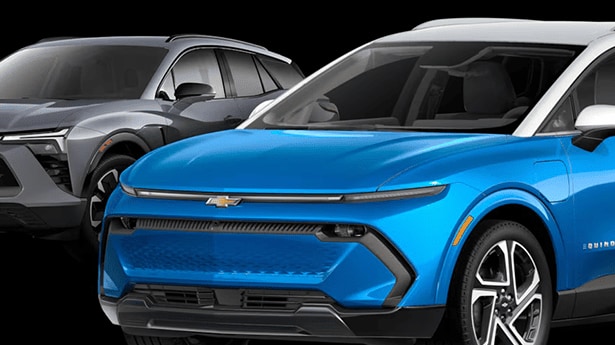
A compact SUV is a smart choice for first-time buyers because it combines elevated seating visibility, standard active safety technology, and adaptable cargo space with predictable ownership costs and a manageable driving footprint. Compared to traditional entry-level sedans, compact crossovers give new drivers clearer sightlines over traffic and greater versatility for everyday hauling without sacrificing easy parking or fuel efficiency.
Choosing a first car involves balancing practical daily utility with long-term financial confidence. Crossovers like the 2026 Chevrolet Trax and 2026 Chevrolet Trailblazer deliver a modern driving experience that accommodates changing lifestyle needs. Whether you are transporting sports equipment, moving into a new apartment, or commuting across the rolling rural roads around Millersburg, a small crossover adapts seamlessly. The taller ride height provides an expanded field of view, making it easier to spot potential hazards early and navigate tight rural intersections with confidence.
Modern entry-level crossovers also come standard with sophisticated driver assistive systems that were once reserved for top-tier luxury models. Features designed to assist with lane positioning, forward collision warnings, and emergency braking help build safe driving habits from day one. In addition, predictable manufacturer warranties and high resale values help first-time buyers maintain control over their long-term vehicle budget.
When you are ready to evaluate your options in person, you can stop by our Millersburg showroom to compare seating positions and interior dimensions firsthand. Give our team a call at (330) 667-0245 to learn more about current availability, or start exploring our selection of new crossovers from home. If you want to streamline the buying process before visiting, you can also take a moment to start prequalifying for financing online.
Why Is a Compact SUV Easy to Drive and Park for New Drivers?
A compact SUV is easy for new drivers to maneuver because its elevated seating position provides exceptional forward sightlines, while its overall vehicle footprint remains nearly identical in length to a small sedan. High driver hip points reduce blind spots directly in front of the hood, and short body overhangs paired with electric power steering make tight turns and parallel parking straightforward.
Vehicle height significantly alters how a driver perceives surroundings. Sitting higher in a model like the 2026 Chevrolet Trax elevates your line of sight over passenger cars ahead, allowing you to anticipate traffic slowdowns sooner. At the same time, because subcompact and compact crossovers are built on car-based unibody platforms, they retain smooth handling dynamics and a tight turning radius. You get the upright stance of a larger truck or utility vehicle without the wide turning arc or heavy steering effort.
Parking in crowded areas or maneuvering through narrow spaces can challenge inexperienced drivers, but compact crossovers simplify these maneuvers. Standard rear vision cameras offer high-resolution views of the area behind the bumper, while available rear park assist sensors warn you of approaching objects. When navigating downtown parking spots or busy commercial corridors in New Philadelphia, a compact crossover fits into standard municipal parking stalls just as easily as a compact hatchback. First-time buyers interested in exploring both fresh models and late-model trade-ins can review our pre-owned vehicle selection to see how different model years compare in footprint and cabin visibility.
How Does Compact SUV Cargo Space Compare to Traditional Sedans?
A typical compact SUV provides roughly 25 to 30 cubic feet of cargo space behind the second row and expands to over 50 cubic feet with the rear seats folded flat, offering more than double the usable volume of a standard sedan trunk. The tall hatchback rear opening allows owners to load bulky, tall, or awkwardly shaped items that cannot pass through a narrow sedan trunk lid.
Ever tried to load groceries, folding lawn chairs, and a bulky stroller into a four-door sedan all at once? The vertical space of a crossover completely changes how you utilize interior volume. The 2026 Chevrolet Trax features about 26 cubic feet of rear cargo space with all seats occupied, while the larger 2026 Chevrolet Equinox offers about 30 cubic feet behind the second row. Flexible 60/40 split-folding rear seats let you collapse one side to carry extra-long gear—like lumber, sporting equipment, or rolled carpets—while maintaining seating for a rear passenger.
Loading height also plays a major role in day-to-day convenience. Because the cargo floor in a compact crossover sits higher off the ground than a sedan trunk, you do not have to bend deep into a dark trunk well to lift heavy items out. Flat load floors, side storage cubbies, and integrated tie-down hooks keep loose items secured during transit. If you currently drive an older vehicle and want to upgrade to a flexible cargo layout, you can evaluate your current vehicle value by submitting our trade-in appraisal form before visiting the dealership.
Dimensions & Capacity
Capacity and dimensions by trim
| Feature | 1RS | 2RS | Activ | LS | LT |
|---|---|---|---|---|---|
| Seating | 5 | 5 | 5 | 5 | 5 |
| Cargo | 25.6 cu ft | 25.6 cu ft | 25.6 cu ft | 25.6 cu ft | 25.6 cu ft |
| Curb weight | 3,014 lbs | 3,040 lbs | 3,036 lbs | 2,983 lbs | 2,994 lbs |
| Payload | 1,131 lbs | 1,105 lbs | 1,109 lbs | 1,162 lbs | 1,151 lbs |
Is Fuel Economy Better in a Sedan or a Compact Crossover?
Traditional sedans generally deliver 2 to 5 mpg better highway fuel efficiency than compact crossovers due to lighter curb weights and lower aerodynamic drag, but modern turbocharged crossovers narrow this gap significantly. Small SUVs equipped with efficient three-cylinder or four-cylinder engines deliver high highway fuel economy while offering far more utility than a low-slung car.
Powertrain engineering has changed what drivers can expect from utility vehicle fuel economy. The 2026 Chevrolet Trailblazer, for instance, pairs a 1.3L engine with a continuously variable transmission to achieve an EPA-estimated 29 mpg city / 33 mpg hwy. Similarly, the 2026 Chevrolet Trax utilizes a 1.2L turbocharged engine and a Hydra-Matic transmission to optimize fuel delivery during city stop-and-go driving and steady highway cruising.
For first-time drivers focused on keeping monthly fuel expenditures predictable, a compact crossover provides a balanced middle ground:
- Engine Efficiency: Small-displacement turbocharged engines deliver quick low-end torque for merging while burning less fuel at cruising speeds.
- Aerodynamic Design: Active grille shutters automatically close at highway speeds to smooth airflow and reduce wind resistance.
- Weight Management: High-strength steel unibody construction reduces overall curb weight without sacrificing structural rigidity.
- Drivetrain Options: Front-wheel drive models optimize efficiency for everyday commuting, while electronic all-wheel drive systems engage only when wheel slip is detected to conserve fuel on dry pavement.
Fuel Economy
Fuel economy and range by trim
| Feature | 1RS | 2RS | Activ | LS | LT |
|---|---|---|---|---|---|
| MPG | 21 city / 24 hwy / 22 combined | 21 city / 24 hwy / 22 combined | 21 city / 24 hwy / 22 combined | 21 city / 24 hwy / 22 combined | 21 city / 24 hwy / 22 combined |
What Standard Safety Features and IIHS Ratings Protect First-Time Buyers?
Modern compact SUVs come standard with active driver-assistance suites—such as automatic emergency braking, lane-keeping assistance, and forward collision warnings—that help new drivers avoid collisions and earn top safety ratings from independent testing agencies. Vehicles evaluated by the Insurance Institute for Highway Safety (IIHS) earn high marks when equipped with robust crash-prevention tech and standard LED headlights.
Safety is paramount for first-time vehicle buyers, and Chevrolet equips every crossover model with Chevy Safety Assist as standard equipment. This integrated bundle monitors the roadway around the vehicle and provides visual and audible alerts to assist driver reaction times. Key standard safety technologies include:
- Automatic Emergency Braking: Works with Forward Collision Alert to intervene or increase braking pressure if a front-end crash appears imminent.
- Front Pedestrian Braking: Detects pedestrians directly ahead during daytime and nighttime driving to mitigate potential impact severity.
- Lane Keep Assist with Lane Departure Warning: Provides gentle steering wheel turns to alert and guide you back into your lane if you drift unintentionally.
- Following Distance Indicator: Displays the gap time in seconds between your crossover and the car ahead to help maintain safe tailgating distances.
- IntelliBeam: Automatically toggles high beams on and off based on oncoming traffic and surrounding lighting conditions.
For enhanced awareness, buyers can select models equipped with the Safety Alert Seat, which delivers subtle vibrations to signal potential hazards' direction instead of audible beeps. When combined with strong occupant protection structures that perform well in IIHS small overlap and side impact evaluations, these active technologies provide peace of mind for new drivers building confidence on the open road.
Pricing
Pricing by trim
| Feature | 1RS | 2RS | Activ | LS | LT |
|---|---|---|---|---|---|
| Base MSRP | $23,100 | $25,300 | $25,300 | $21,600 | $23,100 |
| Destination charge | $1,395 | $1,395 | $1,395 | $1,395 | $1,395 |
Frequently Asked Questions About Choosing a First-Time Compact SUV
Q: Why is a compact SUV a smart first car for new drivers?
In 2024, compact SUVs account for over 40% of new vehicle sales among first-time buyers, reflecting their balanced mix of safety, space, and drivability.
Q: Is fuel economy better in a sedan or a compact SUV?
A: Sedans typically get 2 to 5 mpg better highway fuel efficiency due to sleeker profiles, but modern compact crossovers with small turbocharged engines achieve competitive ratings—often exceeding 30 mpg on the highway—while providing double the rear cargo space.
Q: What safety features are standard on modern compact SUVs?
A: Most modern compact crossovers include standard driver assistance features like Automatic Emergency Braking, Forward Collision Alert, Front Pedestrian Braking, Lane Keep Assist with Lane Departure Warning, and a high-definition rear vision camera.
Q: Do compact SUVs offer more practical cargo space than starter sedans?
A: Yes, compact SUVs offer significantly more functional cargo space thanks to wide hatchback openings, low loading sills, and 60/40 split-folding rear seats that expand rear volume from roughly 26 cubic feet to over 50 cubic feet for larger items.
Q: What warranty coverage comes with a new Chevy compact SUV?
A: New Chevrolet compact SUVs include a 3-year/36,000-mile bumper-to-bumper limited warranty alongside a 5-year/60,000-mile powertrain limited warranty, providing comprehensive repair protection and roadside assistance support during your early years of ownership.
Categories:
News