

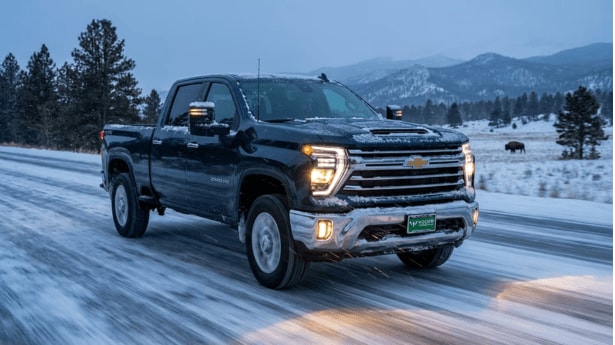
Preparing a 2026 Chevrolet heating system for winter requires inspecting the coolant concentration, testing the blower motor across all fan speeds, verifying front and rear defrost vent operation, and replacing a dirty cabin air filter. Ensuring the thermostat maintains proper engine operating temperature allows heated coolant to flow into the heater core, providing warm cabin air and clear glass before freezing road conditions arrive.
A complete pre-winter functional check begins under the hood and inside the cabin. Cold weather places extra demand on your vehicle's cooling and HVAC systems. Engine coolant does double duty in winter: it prevents frozen engine blocks while transferring engine heat into the passenger compartment through the heater core. Testing the coolant's freeze protection level with a hydrometer ensures the fluid withstands sub-freezing temperatures without solidifying or cracking internal cooling channels.
Airflow issues are equally critical. A weak blower motor, a degraded blower resistor, or a clogged cabin air filter limits warm air movement, making it difficult to clear fog or ice from the windshield. When inspecting your vehicle, cycle through every fan setting and verify that air switches cleanly between dash, floor, and windshield defrost vents. If you notice reduced airflow, strange odors, or persistent window fogging, replacing the cabin filter usually restores proper ventilation.
For additional guidance on cold-weather maintenance, you can visit our Millersburg location or give our service department a quick call to speak with a technician.
What Pre-Winter Functional Checks Should 2026 Chevrolet Owners Perform in Millersburg?
To ensure effective cabin warmth and clear windshield visibility during an Ohio freeze, 2026 Chevrolet owners should perform functional checks on the coolant level, thermostat operation, HVAC blend door actuators, cabin air filter, and rear window defroster grid lines.
Begin your inspection with the vehicle sitting on level ground. Check the engine coolant reservoir when the engine is completely cold to verify the fluid level sits between the full-cold indicator marks. Next, start the engine and monitor the dashboard temperature gauge during warm-up. A stuck-open thermostat prevents the engine from reaching its standard operating temperature, resulting in lukewarm air coming from the heater vents even after extended driving.
Inspect the HVAC blend door actuators by turning the temperature dial from full cold to full heat while feeling the airflow output. Dual-zone systems present in models like the 2026 Chevrolet Suburban—which pairs a 6.2L V8 engine producing 420 hp and 460 lb-ft torque with an automatic 10-speed transmission—should deliver equal heating across driver and passenger zones when set to matching temperatures. Listen for clicking noises behind the dashboard, which indicate a worn blend door actuator gear.
Test the defrosting system by switching the HVAC mode selector directly to front defrost. You should hear the ventilation dampers adjust and feel strong airflow directed toward the base of the windshield. At the same time, the system should automatically engage the air conditioning compressor to strip moisture from the incoming air.
- Coolant Concentration: Confirm a 50/50 mixture of DEX-COOL antifreeze and deionized water for freeze protection down to -34 degrees Fahrenheit.
- Cabin Air Filter: Remove and inspect the cabin filter behind the glovebox, replacing it if dust, seeds, or debris restrict air passage.
- Blower Fan Speeds: Verify that the blower motor operates quietly across all speed levels without squeaking or humming.
- Rear Grid Lines: Turn on the rear defroster and check that all horizontal conductive grid lines heat up and clear frost evenly.
If your filter or wiper components need replacement, submit an online parts order form to source genuine original equipment replacements. Rural routes around Millersburg often accumulate dust and agricultural chaff that clog filters faster, making seasonal filter inspection essential for steady defrosting performance.
How Does Chevrolet Automatic Climate Control and Remote Start Clear Frost and Warm the Cabin?
Chevrolet automatic climate control handles windshield defrosting by automatically turning off air recirculation, engaging the air conditioning compressor to dehumidify cabin air, and directing maximum warm airflow toward the front windshield and side glass.
When frost or heavy condensation forms on the glass, pressing the dedicated front defrost button signals the HVAC control module to adjust system parameters instantly. The system draws fresh outside air into the cabin rather than recirculating moist interior air generated by passenger breathing. Simultaneous compressor activation lowers humidity levels, allowing dry, heated air to absorb condensation from the glass surface rapidly. Humidity sensors mounted near the rearview mirror continuously monitor windshield moisture levels to maintain optimal fan speed and air delivery automatically.
Remote start integrates directly with the automatic climate control system to prepare the cabin before you step outside. When activated via the key fob or myChevrolet mobile application in freezing ambient temperatures, remote start defaults to warming the interior. On equipped models like the 2026 Chevrolet Equinox LT or ACTIV 1.5T—powered by a 1.5L engine generating 175 hp and 184 lb-ft torque—remote start activates the front defroster, rear window defogger, heated side mirrors, and optional heated front seats based on ambient temperature readings.
A Chevrolet gasoline engine typically requires 5 to 10 minutes of idling under remote start to reach effective heating temperatures on freezing mornings. Idling longer than 10 to 15 minutes consumes excess fuel without delivering additional warming benefits. Drivers stopping in before winter usually ask whether remote start runs long enough to clear a frozen windshield on a cold morning before they ask about heater core repairs. A standard 10-minute remote start run time provides ample heat to melt light frost and loosen heavy ice for easy scraping, ensuring safe and clear visibility before driving.
How Do Chevrolet Electric Vehicles Handle Heating, Preconditioning, and Defrosting in Freezing Weather?
Chevrolet electric vehicles utilize high-voltage PTC cabin heater modules or advanced heat pump systems combined with high-voltage battery thermal management loops to generate immediate cabin heat and clear windshield frost in freezing temperatures.
Unlike internal combustion vehicles that rely on engine coolant warming up over several miles of driving, an electric vehicle creates cabin heat instantly through resistive electrical heating elements or refrigerant heat exchange. When winter temperatures drop below freezing, driving an electric vehicle in cold conditions typically results in an EV range loss between 15% and 30%, primarily due to cabin climate control energy consumption and reduced battery chemical activity at low temperatures.
Preconditioning while plugged into a Level 2 home charger or commercial charging station mitigates this range reduction. Preconditioning draws electrical power directly from the charger rather than the vehicle's high-voltage battery pack to warm both the cabin passenger compartment and the traction battery to optimal operating temperatures before your commute begins.
Initiating a precondition cycle 15 to 20 minutes prior to departure ensures the windshield is completely defrosted, the cabin is warm, and the battery is elevated to its ideal temperature range. Using heated seats and a heated steering wheel during travel reduces reliance on high-volume cabin air heating, helping preserve battery range on longer winter trips across urban corridors like Massillon.
Which Chevrolet Trucks and SUVs Feature Factory Engine Block Heaters and Grid Defroster Care?
Factory engine block heaters come equipped or available on diesel-powered Chevrolet models, including Silverado 2500HD and 3500HD trucks, as well as Tahoe and Suburban models specified with Duramax turbo-diesel engines.
An engine block heater warms the engine block and internal coolant jacket, ensuring reliable fluid circulation and rapid oil pressure build-up during extreme sub-zero starts. Plugs are typically routed near the front grille for quick access. Plugging the block heater in for two to three hours before starting significantly reduces starter motor strain, speeds up engine warm-up times, and allows the cabin heater to deliver warm air through the vents almost immediately after starting.
For clear rearward visibility, modern trim packages across the lineup feature automatic rear window defoggers and heated power side mirrors. Trims such as the Custom 4X4 Crew Cab on the 2026 Chevrolet Silverado 1500—which features a 2.7L engine delivering 310 hp and 430 lb-ft torque paired with a Hydra-Matic transmission and a 9,000 lbs tow rating—include heated mirrors designed to melt ice and prevent fogging while towing or hauling.
Rear window defroster grids utilize thin conductive silver-ceramic traces printed onto the inner glass surface. Scratches from cargo or aggressive scraping can sever these grid lines, causing individual horizontal heating strips to stop working. Repairing a minor break using a DIY conductive grid repair kit costs between $15 and $30 for materials. Professional auto glass technicians charge between $100 and $175 to resolder separated wiring terminal tabs or repair damaged grid sections. If your heating or defrosting systems require technical inspection, use our online service scheduling tool to set up an appointment.
Common Questions About Chevrolet Winter Heating and Defrosting Systems
Q: Why is my Chevy heater blowing cold air when the engine is warm?
A: Low engine coolant levels, an airlock in the cooling system, a stuck blend door actuator, or a clogged heater core can cause cold air output. When coolant is low, air pockets prevent warm liquid from circulating through the heater core inside the dashboard. A technician can test system pressure, verify blend door movement, and flush the heater core to restore proper cabin heating.
Q: Is it safe to pour warm water on a frozen windshield to melt ice?
A: You should never pour warm or hot water on a frozen windshield. Extreme temperature differences cause rapid thermal expansion, which can instantly crack or shatter automotive safety glass. Use your Chevrolet front defrost setting, remote start, an ice scraper, or approved washer fluid defroster spray to clear ice safely without risking windshield damage.
Q: Why do my Chevrolet windows fog up when I turn off the air conditioning in winter?
A: Turning off the air conditioning allows moisture to build up inside the HVAC housing and recirculate onto cold interior glass surfaces. The air conditioning compressor acts as a dehumidifier even when the temperature dial is set to heat. Keeping the system in automatic mode or leaving the A/C function enabled ensures incoming air is dried before reaching the cabin glass.
Q: How can I tell if my rear window defroster grid line is broken?
A: Turn on the rear defroster when fog or frost is present on the back glass. If fog remains along a specific horizontal line while the surrounding grid lines clear, that individual conductive trace is severed. Inspect the interior glass surface closely under bright light to locate physical scratches or gaps in the thin brown grid material.
Q: Does using the defroster affect fuel economy during winter driving?
A: Operating the front defroster slightly increases fuel consumption because the HVAC system automatically engages the air conditioning compressor to dehumidify cabin air. However, the safety benefit of clear windshield visibility far outweighs the minor fuel usage. Ensuring your tires are properly inflated and maintaining smooth driving habits easily offsets the small load added by the A/C compressor.
Prices and MSRP referenced in this article are estimates for informational purposes only and do not constitute an offer to sell. See dealer for complete details. *Fuel economy estimates shown may differ from official EPA ratings and should not be relied upon as a guarantee of actual vehicle performance.